

Ballard, ABB Sign MOU For Marine Fuel Cell Systems

29 June 2018
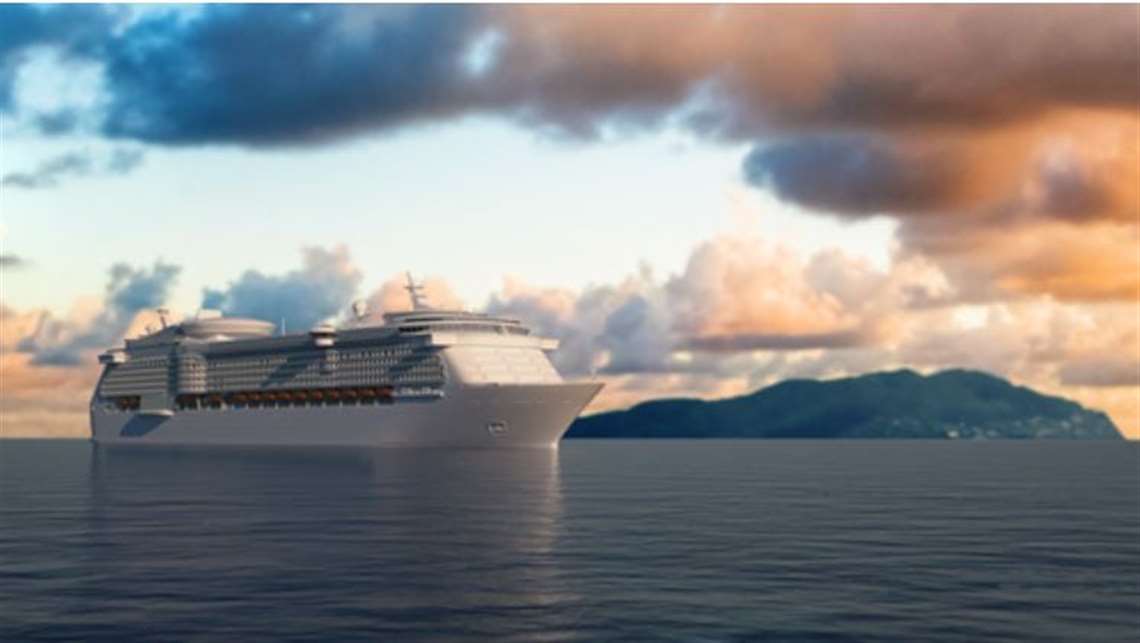
Canada’s Ballard Power Systems has announced signing of a memorandum of understanding (MOU) with ABB to start collaboration activities toward the development of megawatt scale proton exchange membrane (PEM) fuel cell power systems for the marine market. Ballard said the initial focus of the MOU will be on the cruise ship segment.
The multi-year collaboration between Ballard and ABB will include joint market development activities, systems design and development work, as well as systems testing and validation activities. The goal will be development of commercial ready megawatt-scale containerized PEM fuel cell power systems for the marine market. These systems could be used in a variety of ways, including provision of power for hotel operations while cruise ships are docked at port as well as the provision of primary propulsion power when ships are at sea.
Rob Campbell, Ballard’s chief commercial officer said, “The rapidly evolving marine market represents an exciting growth opportunity for zero-emission fuel cell technology. And, Ballard’s prior development and deployment of megawatt-scale containerized PEM fuel cell systems for land-based use gives us the critical experience and knowledge to collaborate effectively on the development of clean energy solutions for key marine market applications.”
“Hydrogen fuel cells are at the forefront of zero-emission technologies for shipping,” said Juha Koskela, managing director, ABB Marine & Ports. “We look forward to working with Ballard Power Systems on the next-generation fuel cell technology, in line with our commitment to equip the marine industry with electric, digital and connected solutions that maximize the full potential of vessels and enable a safe, efficient and sustainable maritime industry.”
Regulations to restrict diesel emissions are being introduced at the local and regional levels in various parts of the world, and this, Ballard said, is generating interest in zero-emission technologies. Limiting greenhouse gas (GHG) emissions through the use of hydrogen fuel cells is of particular interest in port cities, where significant multi-mode transportation opportunities exist to share centralized hydrogen fueling infrastructure. This includes the presence of marine vessels, drayage trucks, trains, forklift trucks, and other transport vehicles at a single port facility, Ballard said.
Earlier this year the United Nations International Maritime Organization (IMO) announced a strategy to reduce GHG emissions from ships – including a 50% reduction in GHGs by 2050, compared to 2008 levels, and complete elimination of GHG’s as soon as possible in this century.
POWER SOURCING GUIDE

The trusted reference and buyer’s guide for 83 years
The original “desktop search engine,” guiding nearly 10,000 users in more than 90 countries it is the primary reference for specifications and details on all the components that go into engine systems.
Visit Now
STAY CONNECTED




Receive the information you need when you need it through our world-leading magazines, newsletters and daily briefings.


CONNECT WITH THE TEAM